

laminated glass sheets
The Importance of Micrometre Precision in Modern Applications In today’s advanced technological landscape, precision has become a fundamental requirement across various industries. Micrometre precision, referring to measurements at the scale of one-millionth of a meter, plays a crucial role in ensuring the accuracy and reliability of numerous applications. This level of precision is particularly vital in fields such as manufacturing, aerospace, medicine, and electronics, where the slightest deviation can lead to significant consequences. In manufacturing, particularly in industries producing intricate components like gears, bearings, and microchips, achieving micrometre precision is essential. This precision not only ensures the proper fit and function of parts but also enhances the overall efficiency and safety of machinery. For example, in the automotive sector, precise measurements can directly affect engine performance, fuel efficiency, and emissions control, ultimately influencing both consumer satisfaction and regulatory compliance. The aerospace industry exemplifies the critical nature of micrometre precision, where tolerances can be as tight as a few micrometres. Components such as turbine blades and structural parts must meet exact specifications to withstand extreme conditions during flight . Any inaccuracies could lead to catastrophic failures, making precision engineering a non-negotiable aspect of aircraft manufacturing and maintenance. micrometre precision In the realm of medicine, micrometre precision has transformed how we approach diagnostics and treatment. For instance, advances in micro-surgery and the development of medical instruments rely heavily on precise measurements to minimize damage to surrounding tissues and improve patient outcomes. Additionally, the fabrication of drug delivery systems, where drugs are administered at the cellular level, necessitates a level of precision that ensures the right dosage reaches the target area. Electronics, too, benefit significantly from micrometre precision. The miniaturization of components in devices such as smartphones, tablets, and computers has enabled increased functionality while reducing size. This trend demands manufacturing processes that can operate within micrometre tolerances to maintain performance and reliability in a highly competitive market. In conclusion, micrometre precision is a cornerstone of modern technology, enhancing safety, efficiency, and functionality across various sectors. As industries continue to evolve, the demand for precision will only grow, driving innovation and improvement in measurement technologies. Whether in manufacturing, aerospace, medicine, or electronics, the ability to achieve and maintain micrometre precision is critical for future advancements and success in an increasingly precision-driven world.
about
laminated glass sheets
Replacing a Water Valve A Step-by-Step Guide Water valves are essential components of any plumbing system, controlling the flow of water in and out of various fixtures and appliances. Over time, these valves can wear out, become corroded, or develop leaks, necessitating their replacement. If you find yourself in a situation where you need to replace a water valve, whether it’s for a sink, toilet, or main water line, this guide will provide you with a comprehensive overview of the process, ensuring that you can carry out this task efficiently and safely. Understanding Water Valves Before diving into the replacement process, it’s essential to understand what type of water valve you are dealing with. Common types include gate valves, ball valves, and globe valves. Gate valves are typically used for on/off control and are not ideal for throttling. Ball valves, on the other hand, offer a quick on/off function with minimal flow resistance. Globe valves are mainly used for regulating flow. Identifying your valve type will help you choose the right replacement. Tools and Materials To successfully replace a water valve, gather the following tools and materials - Adjustable wrenches or a set of pipe wrenches - Screwdriver (flathead or Phillips, depending on your valve) - Replacement valve - Plumber’s tape (Teflon tape) - Bucket or towels to catch any residual water - Safety goggles and gloves Steps to Replace a Water Valve 1 . Turn Off the Water Supply Safety is paramount when working with plumbing. Locate the main water shut-off valve in your home, usually found near the water meter. Turn it off by rotating the handle clockwise. If you're replacing a valve for a specific fixture, such as a sink or toilet, you may find individual shut-off valves beneath the fixture. 2. Drain the System Open the faucet or fixture associated with the valve you are replacing to allow any remaining water to drain out of the system. This step is crucial to prevent water from spilling when you remove the valve. replace a water valve 3. Remove the Old Valve Using your adjustable wrenches, carefully loosen and disconnect the old valve from the pipe. If the valve has screws, use your screwdriver to remove them first. Be prepared for some residual water to spill out, so keep your bucket or towels handy. 4. Clean the Threads Once the old valve is removed, inspect the threads on the pipe for any debris or old plumber’s tape. Clean the threads to ensure a good seal with the new valve. Any residue could lead to leaks. 5. Install the New Valve Wrap the threads of the pipe with plumber's tape to ensure a tight seal. Then, attach the new valve by threading it onto the pipe. Make sure it’s oriented correctly, with the handle positioned in a way that makes it easy to operate. Tighten it carefully with your wrench, being cautious not to over-tighten, as this can damage the threads. 6. Check for Leaks Once the new valve is installed, turn the main water supply back on slowly. Look for any signs of leaks around the valve. If you notice any leaking, you may need to tighten it slightly or reapply plumber's tape. 7. Test the Valve Finally, test the new valve by turning it on and off a few times. Make sure it operates smoothly and that water flows without any obstruction. Check for leaks once more after testing. Conclusion Replacing a water valve is a straightforward task that can save you from costly plumbing issues in the future. By following these steps, you can ensure that the valve operates efficiently and securely. Always remember to wear proper safety gear and take your time to do the job correctly. If at any point you feel uncomfortable or unsure, don’t hesitate to consult a professional plumber. Regular maintenance of your plumbing system will not only prolong its life but also ensure the health and safety of your home environment.
-

High quality industrial productsagement

High quality industrial products
View Details -

Meet the diverse needs of customers

Meet the diverse needs of customers
View Details -

Strict quality control

Strict quality control
View Details -

Top raw materials

Top raw materials
View Details -

Trusted supplier

Trusted supplier
View Details
Our application


news and information

Wooden Villa House Connection Solutions with Truss Mending Nail Plates for Structural Integrity
The Essential Role of Truss Mending Nail Plates in Wood Villa Construction Wooden villas exude charm
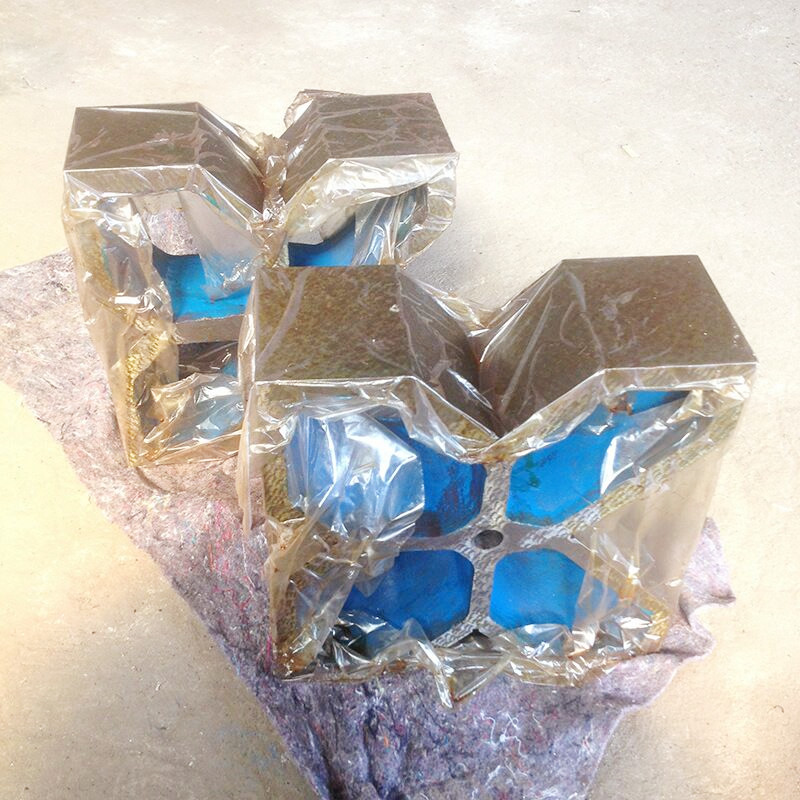
Válvula de puerta de 50 mm
Válvula de compuerta de 50 mm una solución eficaz para el control de fluidos La válvula de compuerta
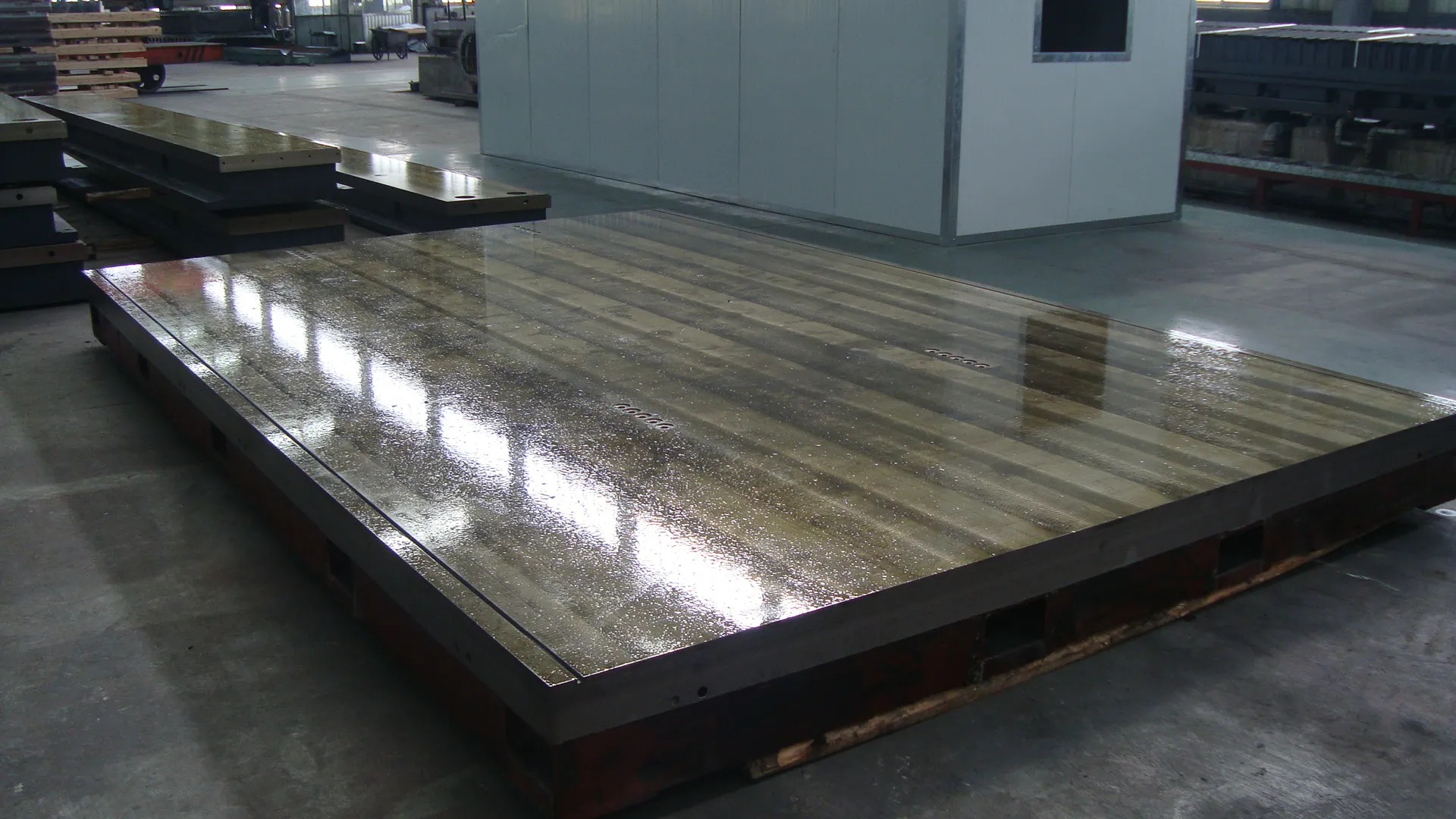
water main valve
Understanding the intricacies of water main valves is essential for both homeowners and professional
 English